Kasumigaseki im Vida Emirates Hills
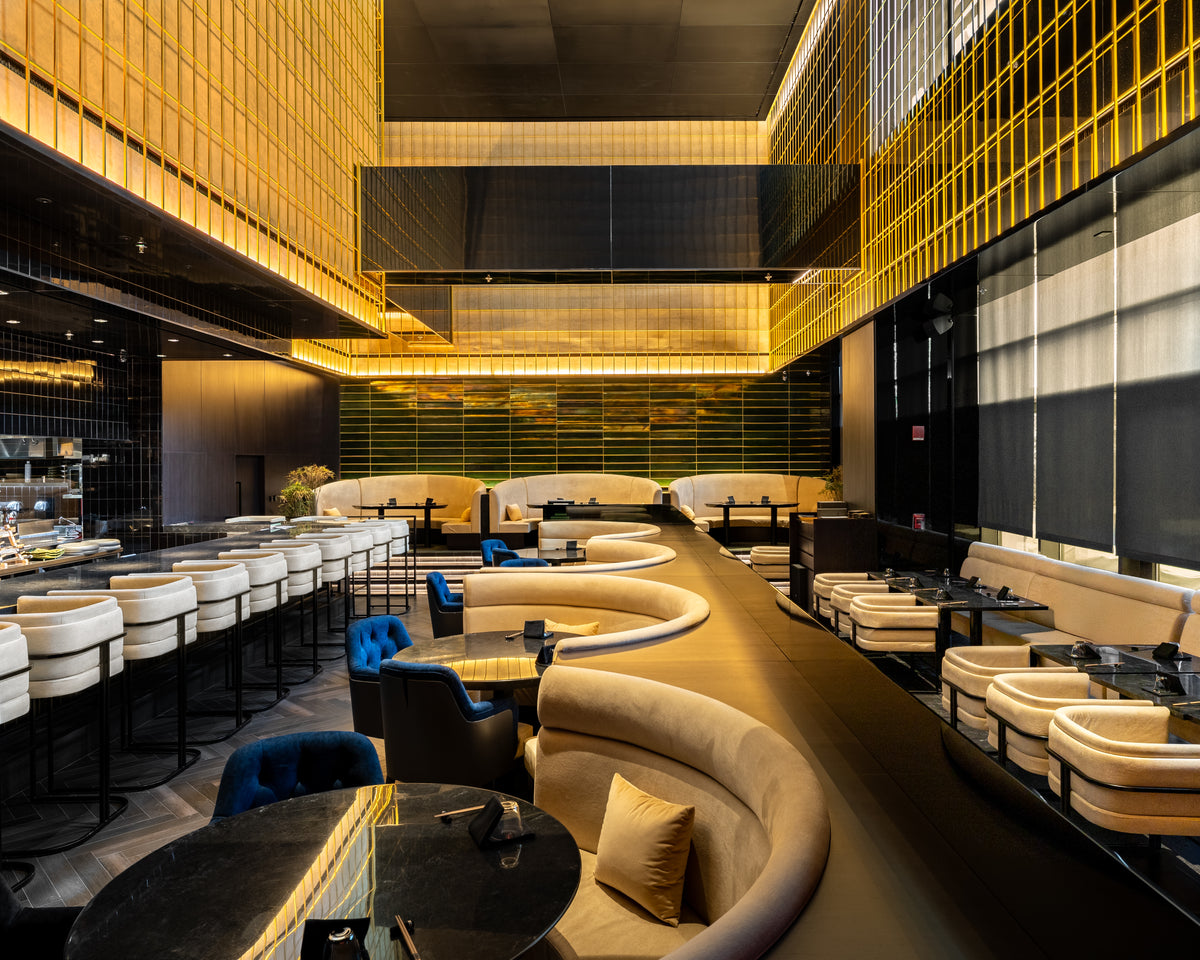
Das Kasumigaseki im Vida Emirates Hills in Dubai verwendet Wall Oribe und Ka-Bu, japanische Keramikfliesenkollektionen, die in Japan hergestellt und verwendet werden, um Tiefe, Variation und Materialkontrast in einem modernen Gastgewerbe-Interieur zu definieren.
Projektinformationen
Projekt: Kasumigaseki im Vida Emirates Hills
Standort: Dubai, Vereinigte Arabische Emirate
Lieferant: Mittsu Japanese Tiles
Fliesenkollektionen: Wall Oribe, Ka-Bu (nur VAE)
Herstellungsland: Japan
Material: Porzellan
Anwendung: Innere Wandverkleidung
Technisches Datenblatt:
Wall Oribe
Ka-Bu
Mittsu Bildordner:
Wall Oribe
Ka-Bu
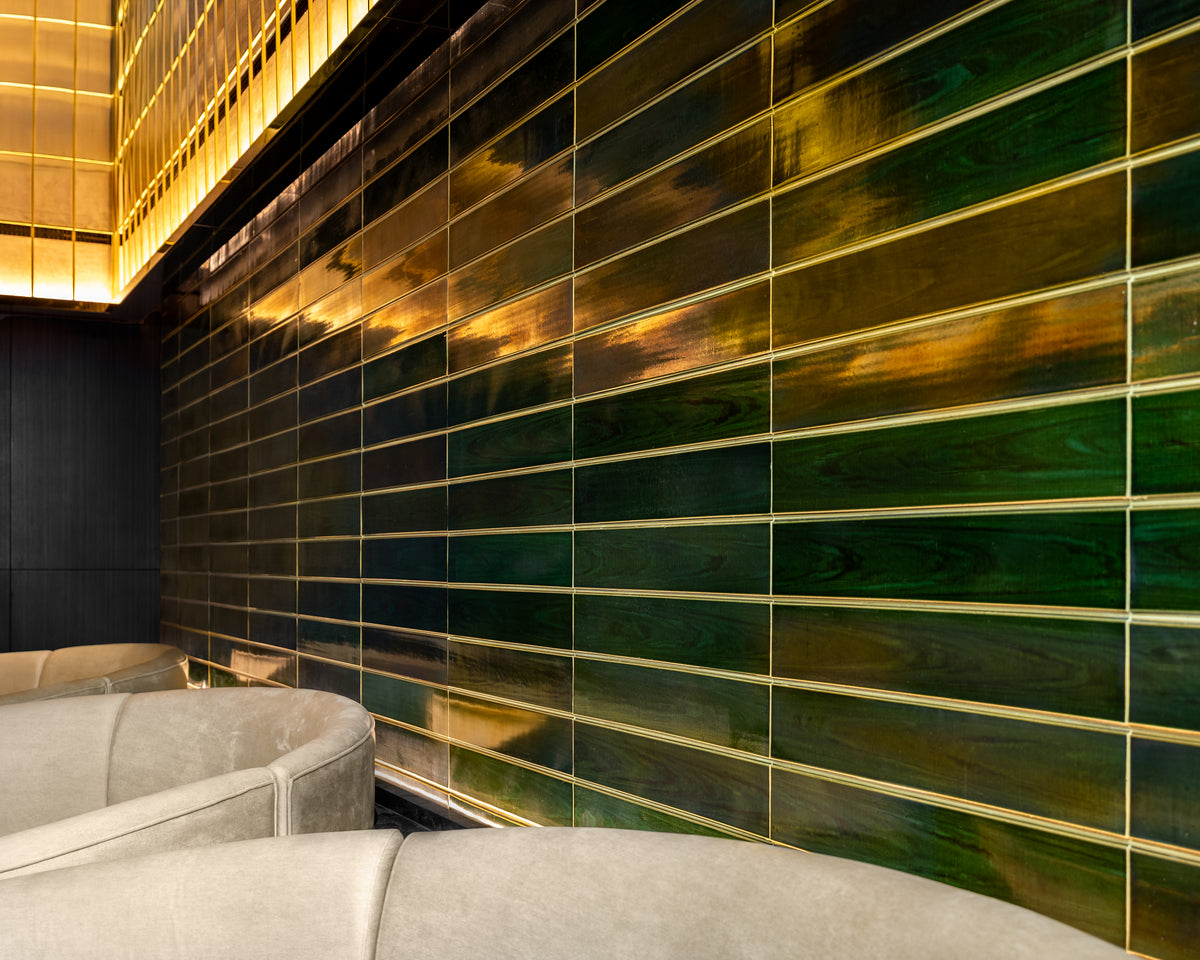
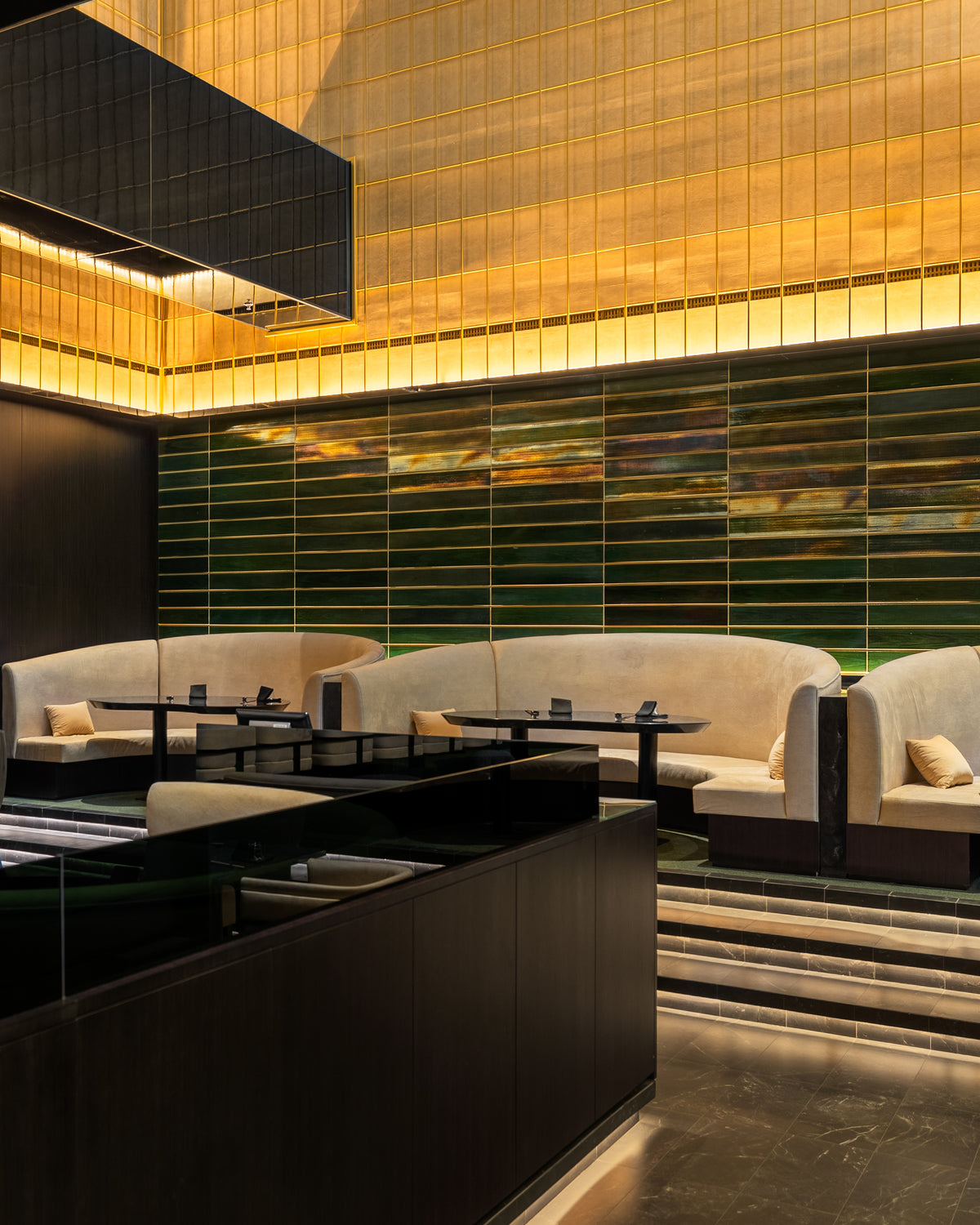
Wall Oribe im Kasumigaseki
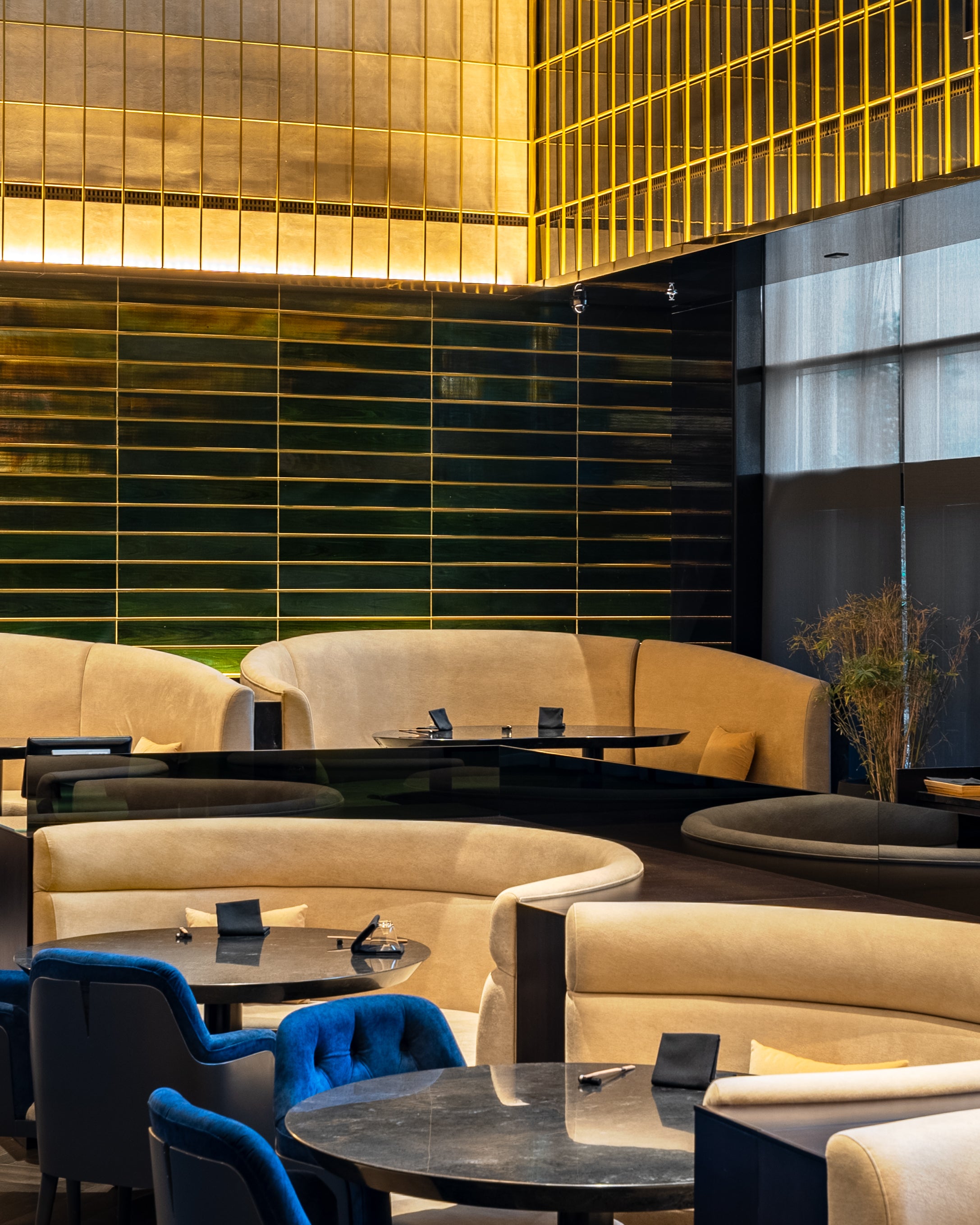
Kasumigaseki im Vida Emirates Hills integriert japanische Keramikfliesen, um eine raffinierte und taktile Essumgebung zu schaffen, die durch Tiefe und Materialvariation definiert ist.
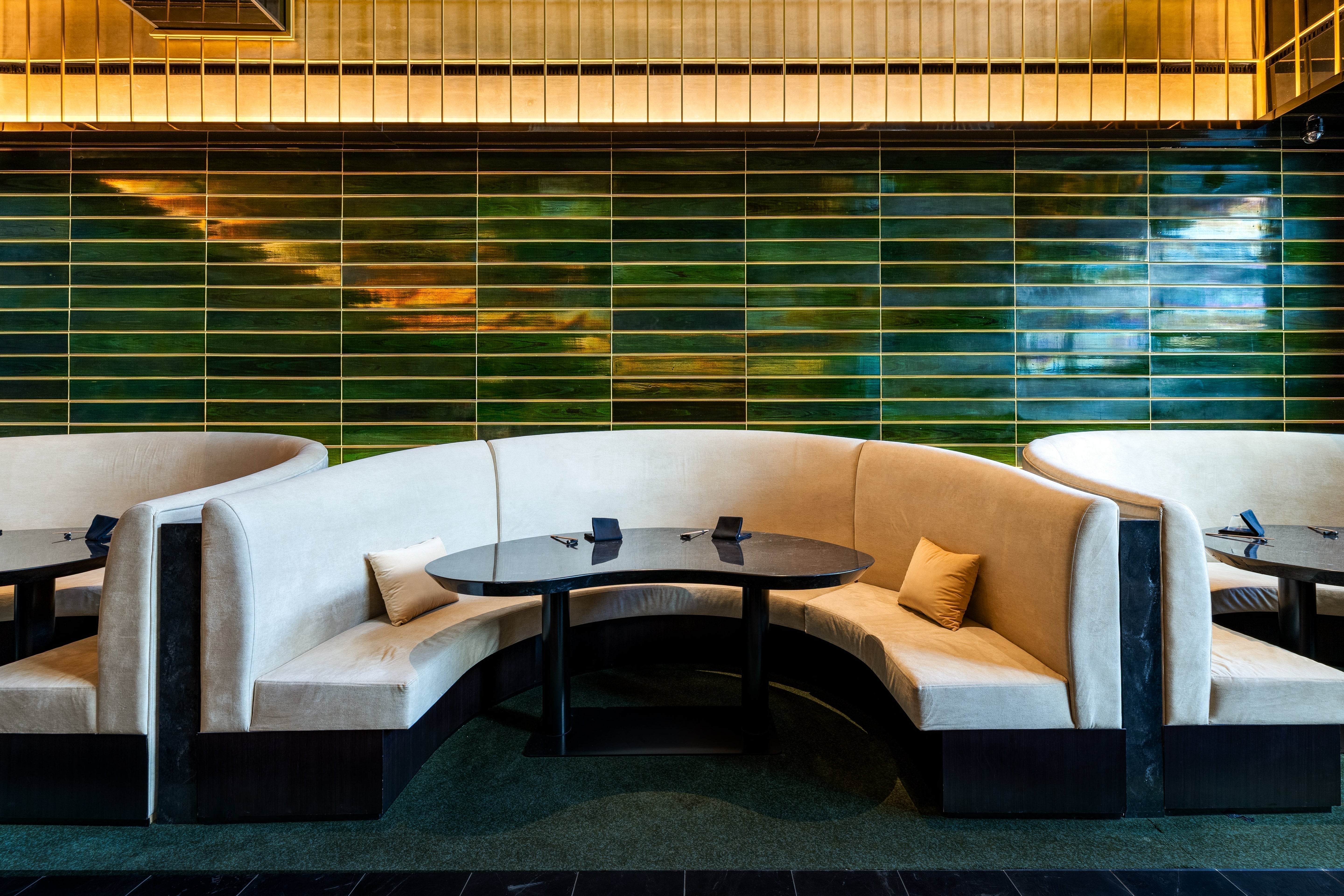
In den Hauptessbereichen werden Wall Oribe-Fliesen verwendet, um eine reiche, ausdrucksstarke Oberfläche einzuführen, die auf Licht und Bewegung reagiert. Anstatt sich auf ein angewandtes Muster zu verlassen, wird der Raum durch die Glasur selbst definiert, wodurch das Material zum primären architektonischen Element wird.
Material- und Oberflächencharakter
Die charakteristischen Grüntöne von Oribe stammen aus der japanischen Keramiktradition des frühen siebzehnten Jahrhunderts, die mit Furuta Oribe verbunden ist. Dieser Stil zeichnet sich durch ausdrucksstarke Glasuren, Asymmetrie und eine bewusste Akzeptanz von Unregelmäßigkeiten aus und markiert eine Abkehr von früheren, zurückhaltenderen Keramikansätzen.
In Japan mit Hochtemperaturbrand hergestellt, weist jede Fliese natürliche Variationen in Ton und Oberflächencharakter auf. Diese Variationen erzeugen eine Oberfläche, die sich im Laufe des Tages verändert und auf Änderungen des Lichts und des Blickwinkels reagiert.
Im Gegensatz zu bedruckten Keramikoberflächen entsteht die Variation in Wall Oribe während des Brennvorgangs, was zu einer natürlichen tonalen Bewegung und nicht zu einem sich wiederholenden Muster führt.
Ka-Bu in Nebenräumen
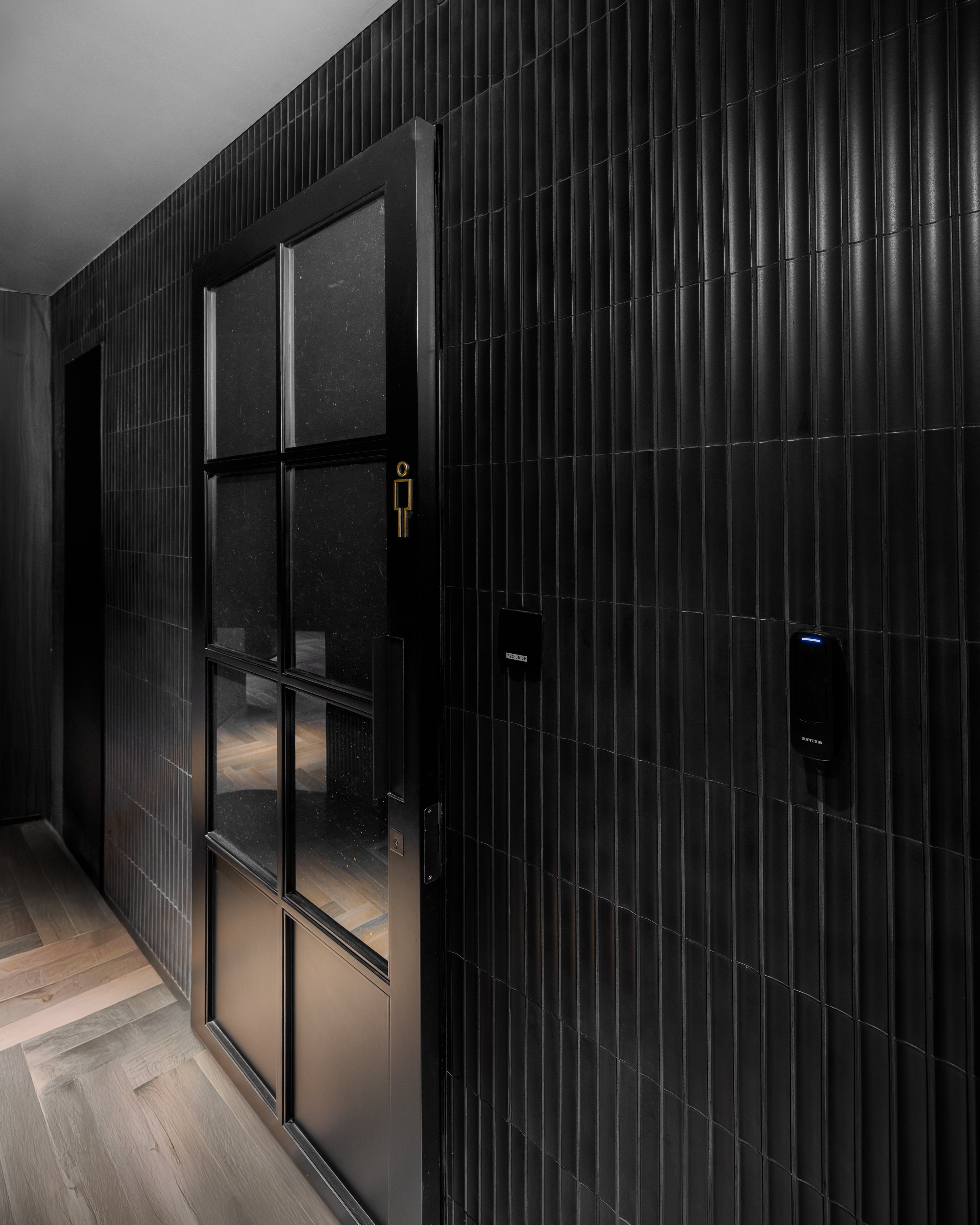
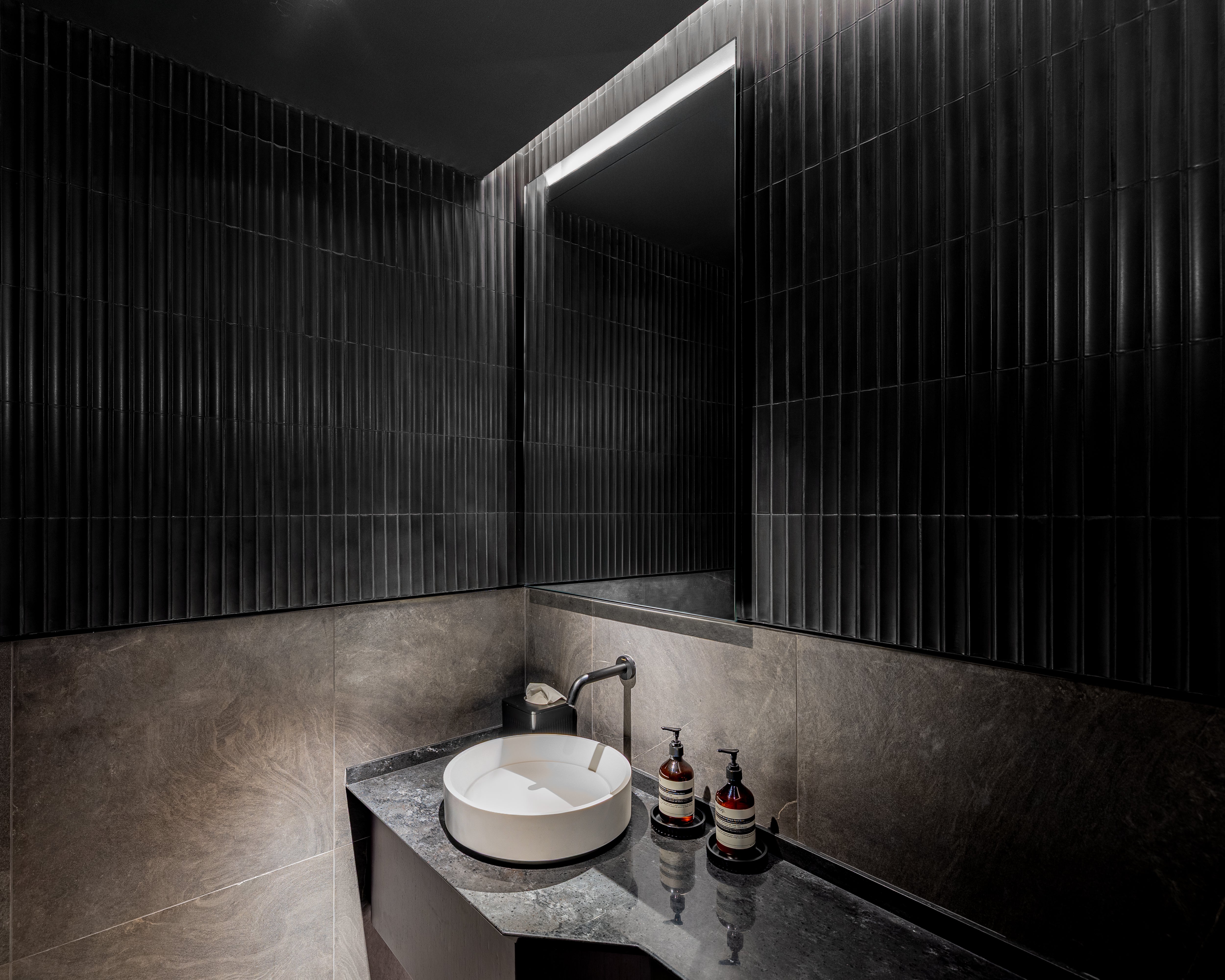
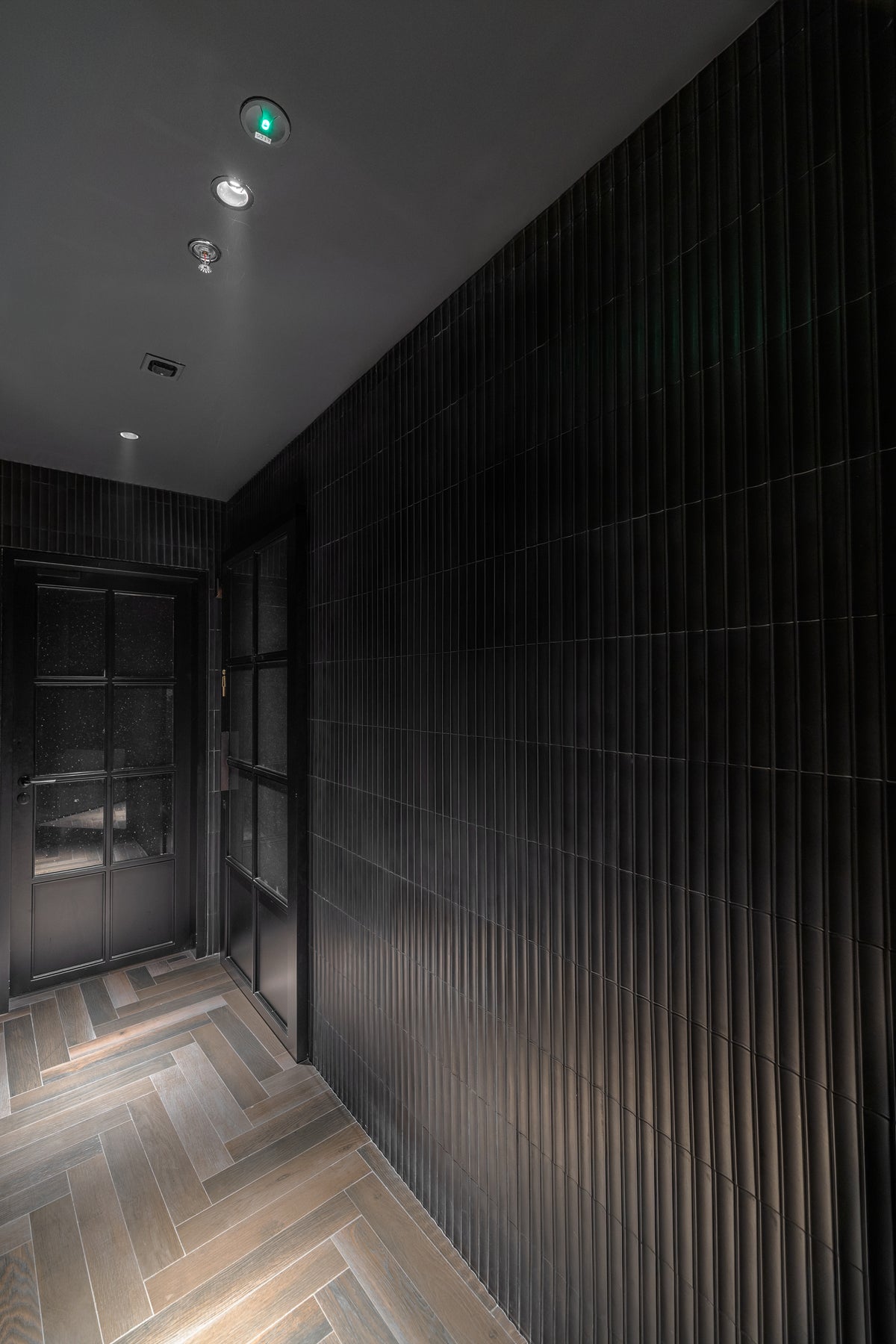
In den Toiletten führen Ka-Bu-Fliesen in mattem Schwarz einen kontrastierenden Materialausdruck ein. Die dunklere, gleichmäßigere Oberfläche schafft eine ruhigere und abgeschlossene Atmosphäre, während die taktile Qualität der japanischen Keramik erhalten bleibt.
Dieser Kontrast zwischen ausdrucksstarker Glasurvariation und kontrollierten matten Oberflächen ermöglicht es verschiedenen Bereichen des Projekts, unterschiedliche Identitäten zu entwickeln, während sie materiell verbunden bleiben.
Warum japanische Keramikfliesen ausgewählt wurden
Japanische Keramikfliesen werden im Hochtemperaturbrandverfahren hergestellt, wodurch ein dichtes und langlebiges Material entsteht, das für stark frequentierte Gastgewerbeumgebungen geeignet ist. In Kombination mit natürlich variierenden Glasuren ermöglicht dies den Oberflächen, Tiefe und visuelle Komplexität zu bewahren, ohne sich auf aufgetragene Dekoration zu verlassen.
„Bei Oribe geht es nicht um Gleichmäßigkeit“, sagt Ian Reynolds. „Es geht um natürliche Variation und Bewegung, geprägt von der Art und Weise, wie die Glasur im Brennofen reagiert. Diese Unvorhersehbarkeit verleiht der Oberfläche ihre Tiefe.“
Zusammenfassung
Im Kasumigaseki werden japanische Keramikfliesen verwendet, um ein materialgeleitetes Interieur zu schaffen, in dem Variation, Kontrast und Oberflächentiefe den Raum sowohl in den Ess- als auch in den Nebenbereichen definieren.
Erfahren Sie mehr über japanische Fliesen
Erfahren Sie mehr über japanische Glasurvariation
Presse & Medien
Hochauflösende Bilder von Mittsu Japanese Tiles Projekten stehen zur redaktionellen Nutzung zur Verfügung, einschließlich vollständiger Projektfotografie und Detailbilder aus mehreren Installationen.
Projektbildbibliothek herunterladen
Bilder dürfen für redaktionelle Berichterstattung mit Quellenangabe Mittsu Japanese Tiles verwendet werden.
Für Presseanfragen wenden Sie sich bitte an Mittsu Japanese Tiles.
FAQ
Welche Fliesen wurden im Kasumigaseki verwendet?
Wall Oribe und Ka-Bu japanische Keramikfliesen von Mittsu Japanese Tiles.
Werden diese Fliesen in Japan hergestellt?
Ja. Sowohl Wall Oribe als auch Ka-Bu werden in Japan im Hochtemperaturbrandverfahren hergestellt.
Was zeichnet Oribe-Fliesen aus?
Oribe-Fliesen sind bekannt für ihre ausdrucksstarke grüne Glasur, natürliche Variation und Oberflächenbewegung, die während des Brennvorgangs entsteht.
Sind diese Fliesen für Gastgewerbeumgebungen geeignet?
Ja. Japanische Keramikfliesen kombinieren Haltbarkeit mit raffinierter Oberflächenbeschaffenheit und eignen sich daher für stark frequentierte Innenanwendungen.
Warum variieren die Fliesen in Farbe und Ton?
Die Variation entsteht natürlich während des Brennvorgangs, wobei Unterschiede in Glasurdicke und Temperatur einzigartige Tonverschiebungen über jede Fliese erzeugen.
Verwandte Projekte
The Broadcaster
Mikel
LUX Grand Baie
Artikel von Mittsu Japanese Tiles
Kuratatiert von Ian Reynolds